-
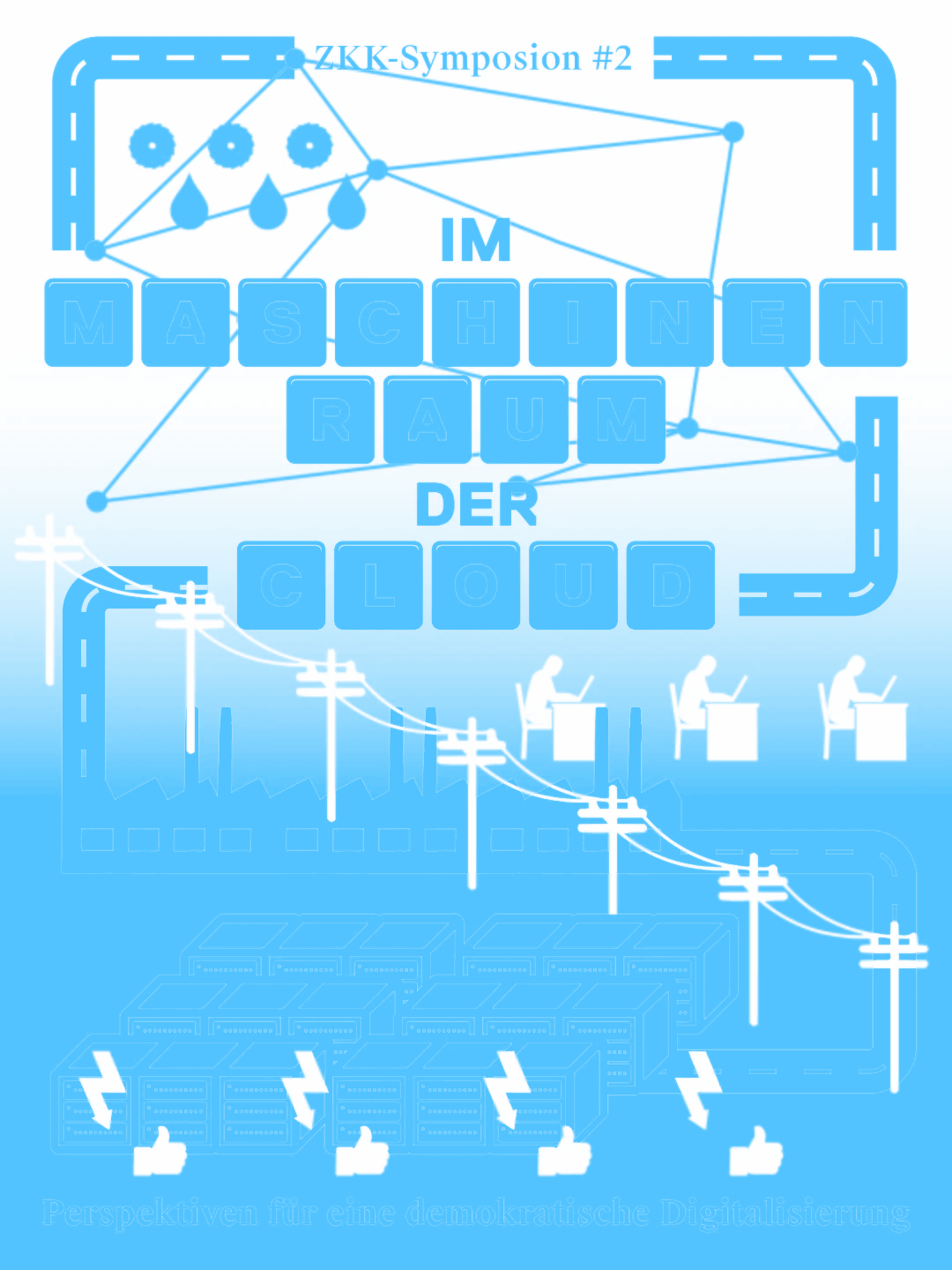
Der globale Ausbau digitaler Infrastrukturen im Zeichen der «Künstlichen Intelligenz» und ihrer vermeintlichen Effizienz schreitet in einem gewaltigen Tempo voran. Doch fehlt es häufig an öffentlicher Diskussion und demokratischer Teilhabe. Gigantische Mengen an privatem und öffentlichem Kapital fliessen in immer grössere und ressourcenintensivere Daten- und Rechenzentren sowie hochverdichtete Satellitennetze, mit kaum absehbaren ökologischen, sozialen und politischen Konsequenzen. Zugleich erleben wir eine mit Lust an der «Disruption» vorangetriebene radikale Umgestaltung zahlreicher Lebensbereiche durch kommerzielle Plattformen und Services, die demokratische Regulierungen und Steuerungsmechanismen unterlaufen. Öffentliche Verwaltungen und ganze Staaten begeben sich in komplexe und hochriskante Abhängigkeiten, in dem sie Infrastrukturen und essentielle…
-

Die Uhr scheint zu ticken. Wann erkennen wir, dass der Faschismus zurückkehrt – und bleibt dann noch Zeit zu handeln? Die Folgen der kapitalistischen Produktionsweise verschärfen sich und zeigen sich in einer zunehmend sichtbaren Kultur der Härte und der Entwertung von Menschenleben. Zugleich prägt der allgegenwärtige Produktionsdruck längst nicht nur unsere Arbeit, sondern auch unsere Psyche – und er sorgt dafür, dass wir diesem Phänomen als vereinzelte Individuen gegenüberstehen. Umso größer ist die Versuchung, allem gedanklich zu entfliehen, sich in Arbeit oder Hedonismus zu verlieren, statt hinzusehen. Die Konferenz soll Raum bieten, um neue Faschismustheorien, autoritäre Dynamiken, politische Entwicklungen zu…
-
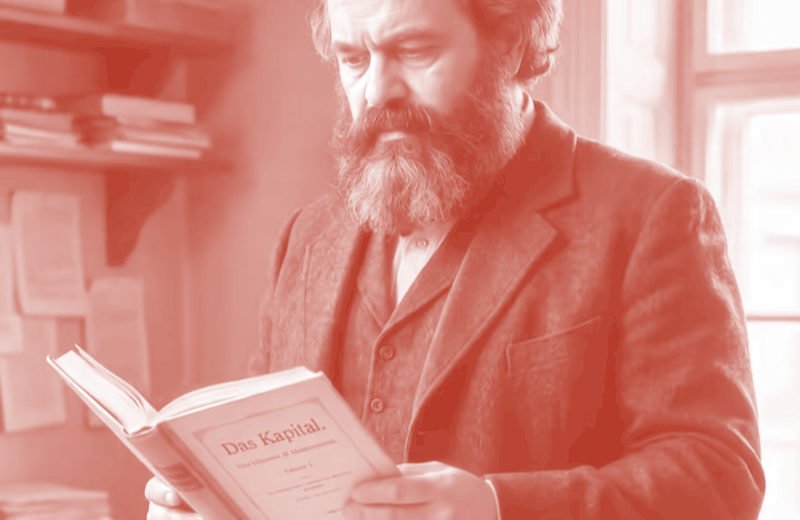
In der Kolumnen-Serie «DSI Insights» stellt die DSI ihr Fachwissen und ihre Interdisziplinarität zu Themen der digitalen Transformation unter Beweis. In der neuen Ausgabe der Kolumne skizziert Brückenprofessor Prof. Dr. Roland Meyer, wie generative KI den Blick auf Geschichte verändert. KI-generierte «historische» Bilder zeigen dabei weniger Zeugnisse der Vergangenheit, als eine statistisch plausible, ästhetisierte Fiktion nach heutigen Erwartungen, die tatsächlich authentische Dokumente und Aufnahmen zu verdrängen droht. Die Kolumne kann auf den Kommunikationskanälen der Universität Zürich sowie im Branchenmagazin «Inside IT» gelesen werden.
-

In der vierten Episode der Digital-Religions-Sonderedition des Podcasts «Erleuchtung garantiert» spricht Dr. Kathrin Trattner über «Tradwives» und «Kirkification»: Was hat Charlie Kirk mit SpongeBob gemeinsam und was ist «Kirkification»? Weshalb sind Mormoninnen auf Social Media so präsent? Und was hat Rohmilch mit erfolgreichen Influencerinnen zu tun? In der vierten und letzten Episode der Digital-Religion(s)-Sonderedition analysiert die Religionswissenschaftlerin Kathrin Trattner den Erfolg von Tradwives auf Social Media und geht darauf ein, inwiefern sie in ihren Idealbildern auf multiplen Fiktionen aufbauen und wie sie gesellschaftliche Entsolidarisierung befördern. Trattner spricht über Mormoninnen als «Early Adopter» von neuen Kommunikationstechnologien und erklärt, weshalb das Internet…
-
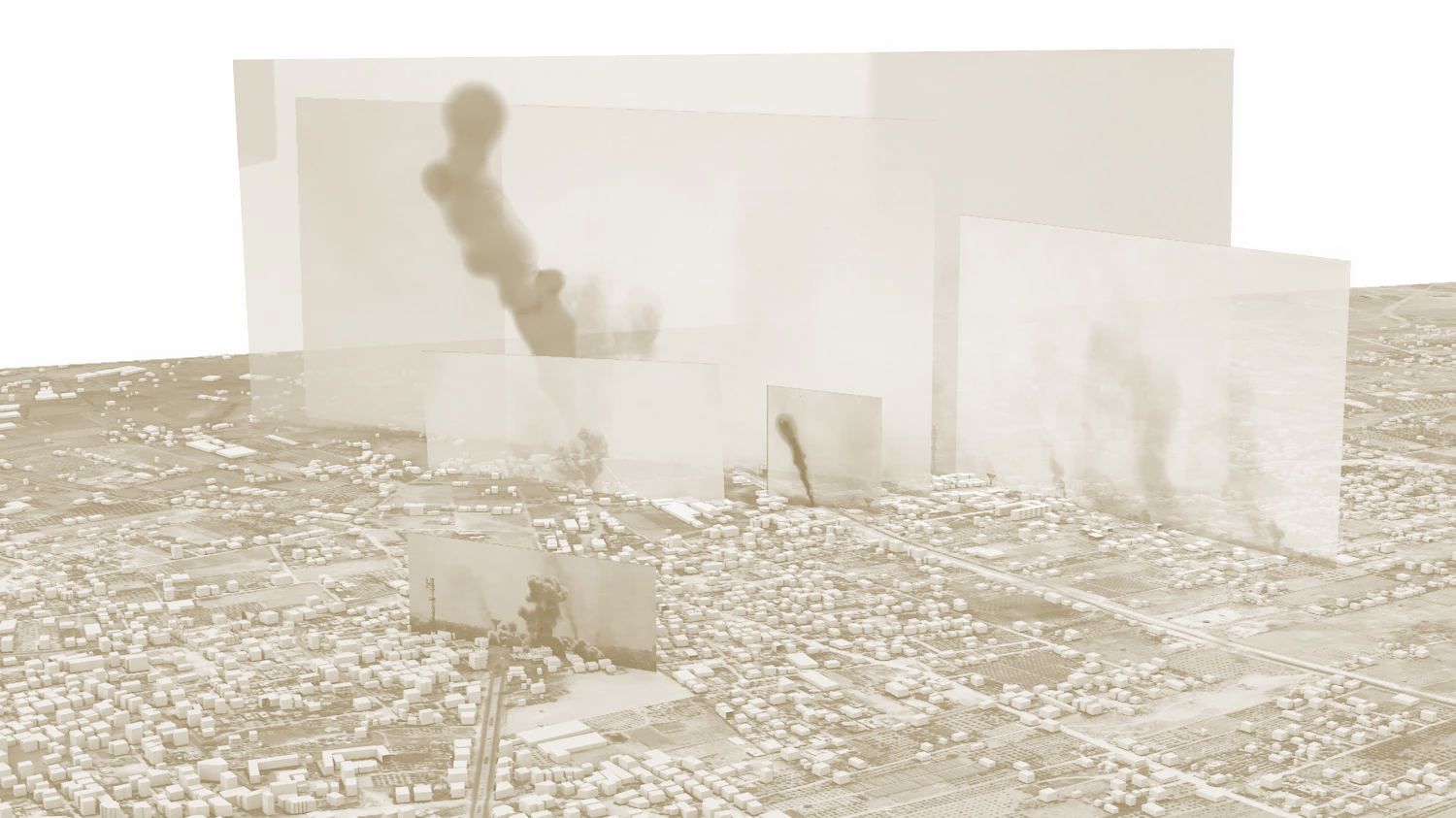
Immer häufiger ist zu hören, den Bildern sei nicht mehr zu trauen. Tatsächlich aber war die Beweiskraft technischer Bilder nie unumstritten. Zwar war bereits in den Anfängen der Fotografie im 19. Jahrhundert klar, dass hier ein völlig neues Mittel der Beweissicherung entstanden war. Doch zugleich wurden Fotografien von Beginn an retuschiert und manipuliert, und was sie tatsächlich zeigen und beweisen konnten, war stets Gegenstand widerstreitender Interpretationen. Unter digitalen Bedingungen hat sich diese Spannung verschärft: Während Smartphones und soziale Medien Aufnahmen von Polizeigewalt, Menschenrechtsverletzungen und Kriegsverbrechen in Echtzeit global zirkulieren lassen, steigern generative KI und andere digitale Tools die Möglichkeiten der…
-
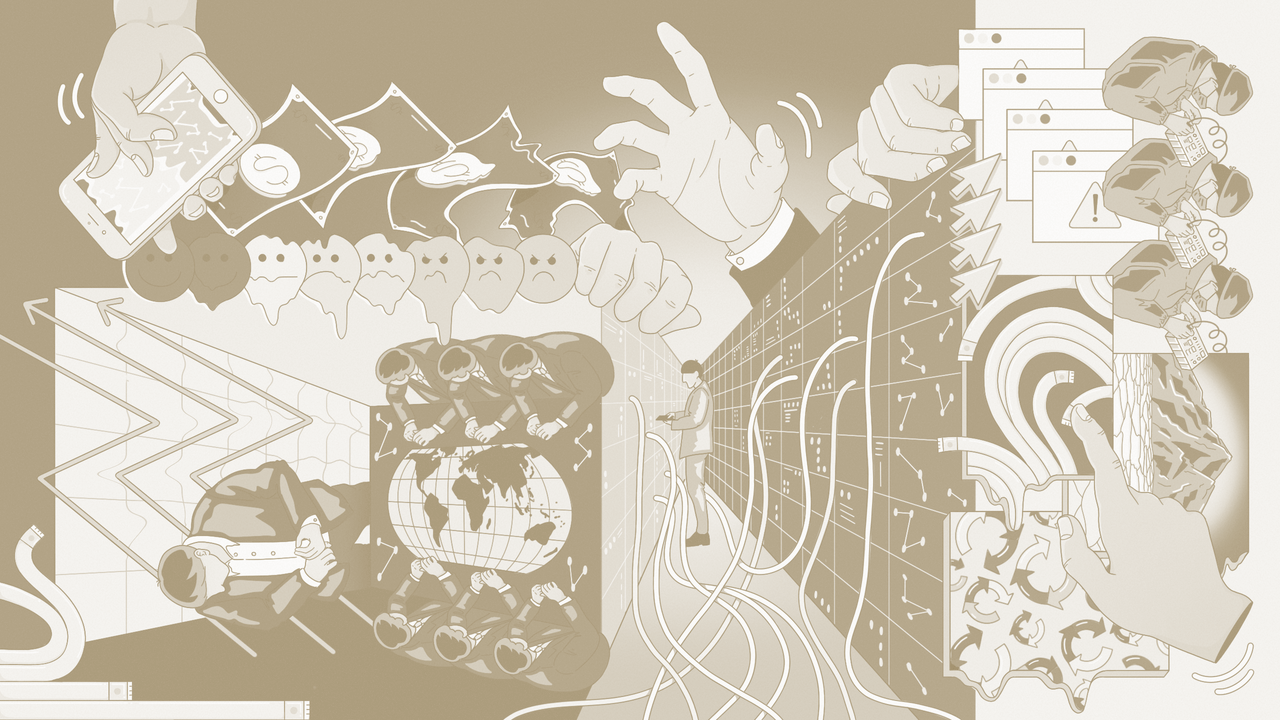
Digitale Plattformen erscheinen allgegenwärtig und unverzichtbar. Wir kommunizieren und informieren uns auf ihnen, streamen Filme, Serien, Podcasts und Musik über sie, kaufen ein, buchen unseren Urlaub und bewegen uns mit ihnen durch die Stadt. Für immer mehr Menschen bestimmen sie auch den Arbeitsalltag. Doch was sind Plattformen überhaupt? Woher kommt ihre Macht, welche Geschäftsmodelle liegen ihnen zugrunde, und wie haben sie unsere digitale Kultur verändert? Welche technischen, sozialen und kulturellen Bedingungen haben den Aufstieg der Plattformkonzerne ermöglicht, und warum erscheint es zunehmend schwieriger, sie einer demokratischen Kontrolle zu unterwerfen? Befinden wir uns im Zeitalter des Plattformkapitalismus oder führt uns die…
-

Prof. Dr. Roland Meyer spricht in der ersten Episode der Digital-Religions-Sonderedition des Podcasts «Erleuchtung garantiert» über «KI-Schrott» bzw. «Slopaganda», die Monopolisierung der Macht über Sprache und Bilder und über apokalyptische Bilder in der politischen Propaganda. Es geht um klischierte Schweizer Familien vor dem Matterhorn, die Tech-Konzerne und KI als Symptom und Brandbeschleuniger für Dinge, die ohnehin schon schief laufen. Hier die Podcast-Folge anhören.
-
Seit der Veröffentlichung des KI-Chatbots “ChatGPT” im November 2022 reißt die Debatte über Künstliche Intelligenz nicht ab. Die auf Grundlage statistischer Datenanalysen und wahrscheinlichkeitsbasierter Berechnungen erzeugten Muster, Texte und Bilder berühren immer stärker genuine Arbeitsfelder der Erforschung und Vermittlung von Geschichte. Umso drängender ist die Auseinandersetzung mit Verfahren der generativen und analytischen KI. Vor diesem Hintergrund setzen sich inzwischen vermehrt Gedenkstätten und Einrichtungen der historisch-politischen Bildung mit den Folgen dieser Technologien auseinander. Im Januar 2026 veröffentlichten über 30 Gedenkstätten eine gemeinsame Erklärung. Darin wiesen sie auf die stetige Zunahme gefälschter, KI-generierter Bilder zu Holocaust und NS-Verbrechen hin und forderten zu einem entschiedeneren…
-
How do digital archives shape the ways we remember? Who decides what remains visible, what gets rewritten, and what disappears? And what happens when generative systems begin to reorganise the past through datasets, statistical models, and platform infrastructures? Reclaiming Data is a symposium and exhibition that brings together artists, researchers, students, and cultural institutions to explore how artificial intelligence, digital archives, and data infrastructures are transforming collective memory. Across two days, the program moves between keynote, screening, workshops, panel discussions, performance, and exhibition, creating a space in which artistic, theoretical, and institutional perspectives can meet. The symposium asks: How do…
-
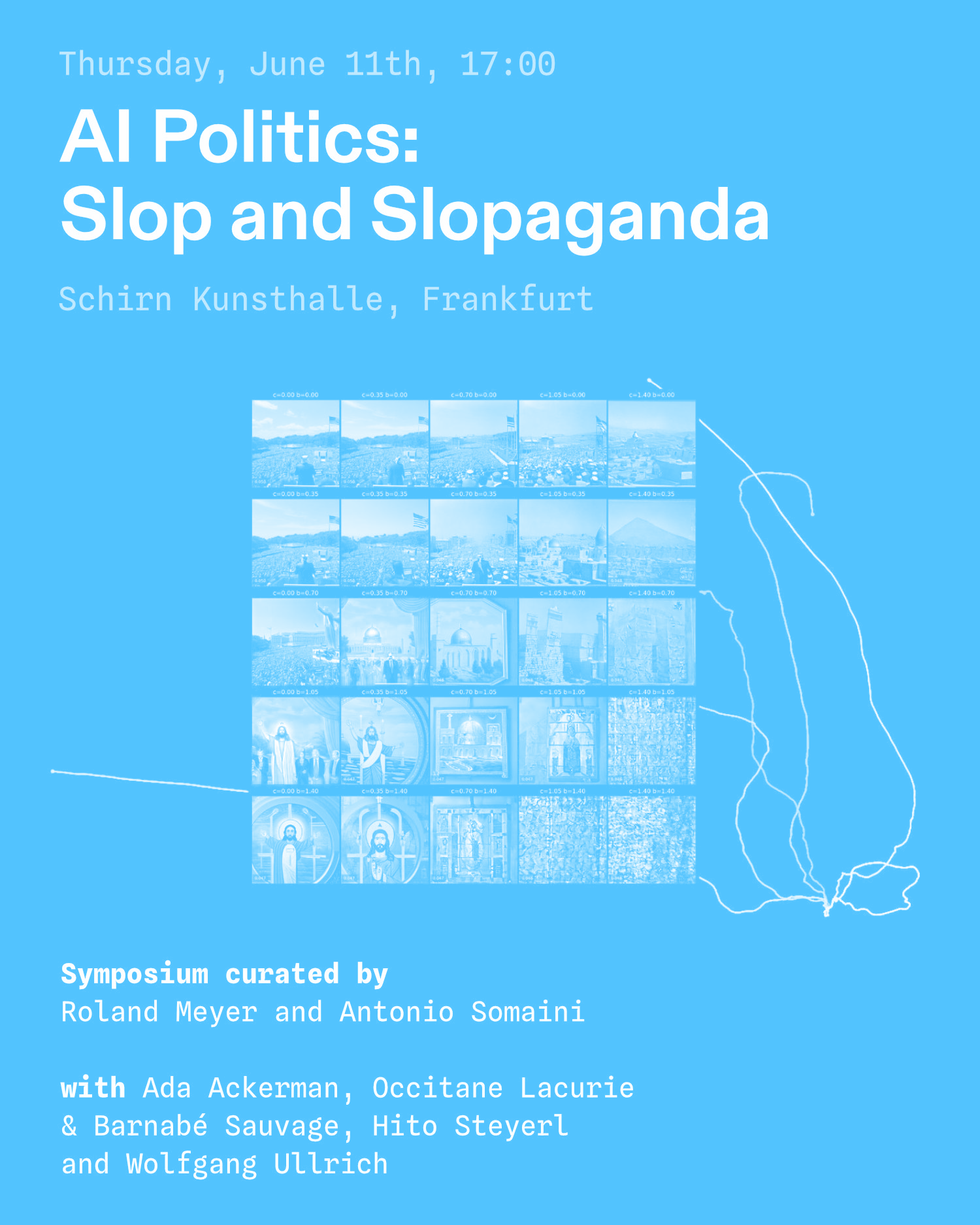
Curated by Roland Meyer and Antonio Somaini in the context of the exhibition «The World Through AI» showing from June 11 to September 20, 2026 at Schirn Kunsthalle Frankfurt. AI is rapidly and profoundly transforming visual culture and visual politics. So-called “AI slop”—cheaply mass-produced synthetic content—is flooding social media feeds, AI-generated memes have become a new kind of political propaganda spread by official government accounts, and fake historical documents are increasingly indistinguishable from authentic archival records. How do we navigate an online landscape entirely reshaped by deep-learning technologies and generative media? And what role can artistic practice and critical research…
-

In this episode of the podcast Straight White American Jesus (SWAJ), Annika Brockschmidt and Roland Meyer dissect the unsettling intersection of generative AI, right-wing extremism, and the emerging aesthetics of digital fascism. Roland Meyer breaks down why AI-generated visual culture is uniquely suited for far-right propaganda. Rather than acting as a neutral mirror of reality, these algorithms are structurally nostalgic—relying on past training data to build idealized, hyper-masculine mythologies, clean ethnic landscapes, and weaponized “slopaganda.” From American frontier myths to European Islamophobic imagery, Roland Meyer explains how mass-produced, engagement-optimized AI content is being actively weaponized to construct collective, racist fantasy…
-
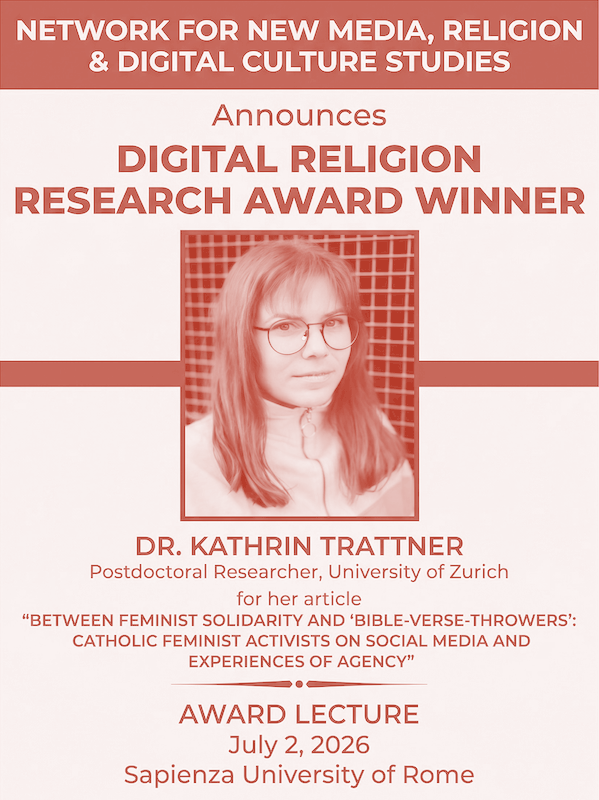
The Digital Religion Research Award recognizes outstanding and innovative scholars working in the field of Digital Religion studies. Dr. Trattner’s award-winning article — «Between Feminist Solidarity and ‘Bible-Verse-Throwers’: Catholic Feminist Activists on Social Media and Experiences of Agency» — was published in the Journal of Media, Religion and Digital Culture in 2024, and explores the perceived agency of Catholic feminist activists on social media. Kathrin Trattner will hold an award lecture which is entitled “From Agency to Algorithms and Back Again: Changing Forms of Feminist Activism Against Conservative Christian Gender Norms on Social Media”. The lecture will take place on…
-

Zum neuen «Handbuch Rechtsextremismus in Österreich», herausgegeben von Andreas Kranebitter, Isolde Vogel und Bernhard Weidinger, hat Dr. Kathrin Trattner ein Kapitel über «Gaming und digitale Plattformen» beigetragen. Das „Handbuch Rechtsextremismus“ des Dokumentationsarchivs des österreichischen Widerstandes (DÖW) bietet einen umfassenden Überblick über Ideologien, Organisationen, Netzwerke, Strategien und historische Kontinuitäten der extremen Rechten in Österreich und Europa. Das Werk versammelt das Wissen zahlreicher Expert:innen und beleuchtet die vielschichtigen Facetten des Rechtsextremismus – von seinen Wurzeln bis zu aktuellen Entwicklungen, von digitalen Mobilisierungsformen bis zu gesellschaftlichen Gegenstrategien, inklusive relevantem Personen- und Ortsverzeichnis. Das Handbuch ist ein grundlegendes Nachschlagewerk für Wissenschaft, Politik, Medien und Zivilgesellschaft und ein…
-
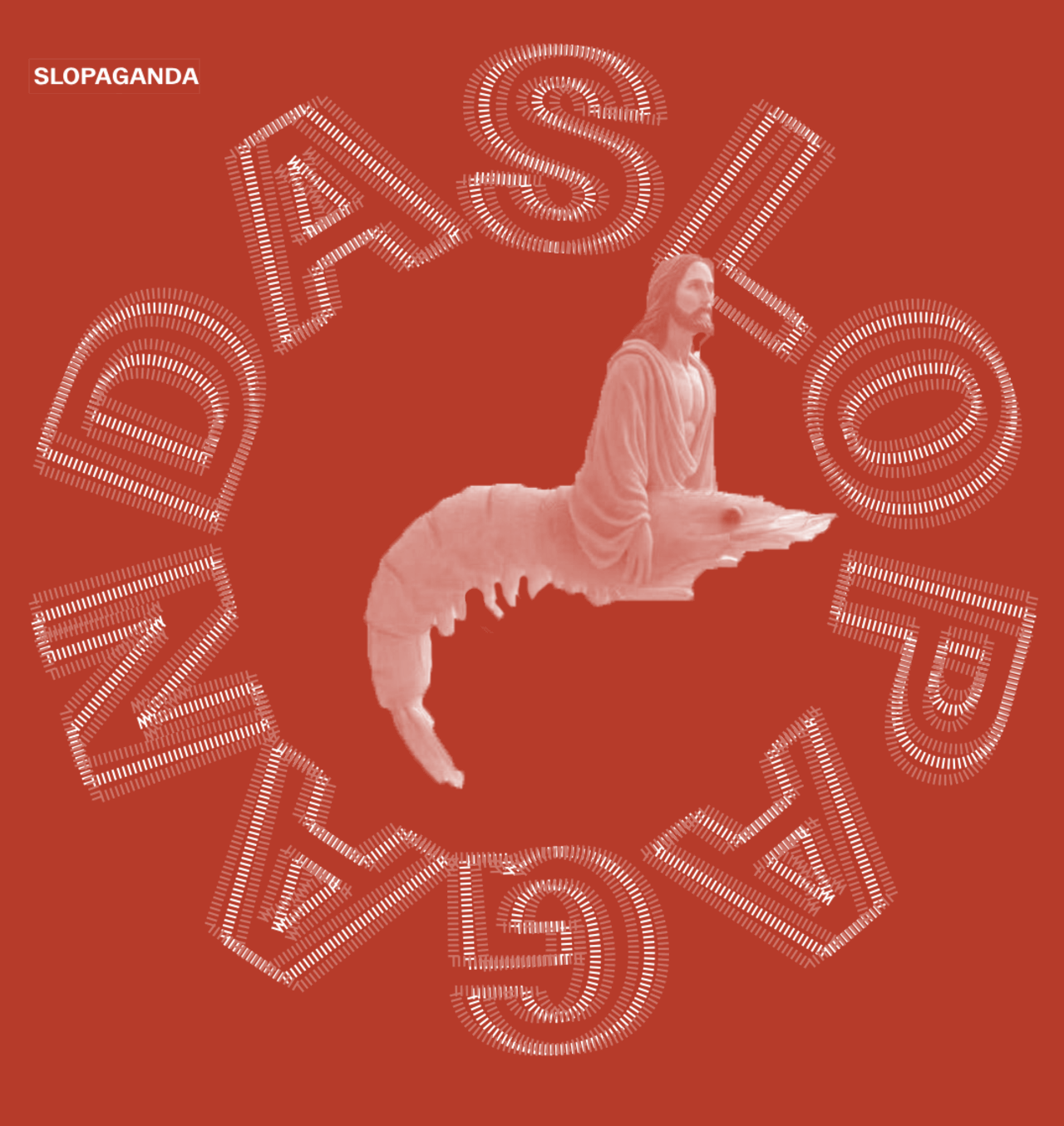
In einer neuen sechsteiligen WOZ-Onlinekolumne «Slopaganda» rückt Roland Meyer gezielt KI-generierte Propaganda in den Fokus: «Generative KI erlaubt die schnelle Massenproduktion von Content, der sich über soziale Medien rasch global verbreiten kann. Aber ‘Slopaganda’ ist kein bloss quantitatives Phänomen. Sie ist auch verteilte, partizipative Propaganda – Propaganda zum Mitmachen. An ihrer Produktion und Verbreitung sind viele beteiligt, keineswegs ausschliesslich politische Akteur:innen», schreibt Meyer zum Auftakt der Onlinekolumne. In den Folgen geht Meyer der hochaktuellen Frage nach, was die sogenannte «Slopaganda» mit uns macht und wie wir mit ihr umgehen können:
-

Im Rahmen eines Forschungsstipendiums von Una Europa, ist Till Rückwart vom 15. April bis 13. Mai zu Gast bei Digital Cultures and Arts. Während des Aufenthalts wird er sich aktiv in den Forschungs- und Lehralltag an der Brückenprofessur einbringen. Parallel widmet er sich einem Teilprojekt seiner Dissertation, die das Verhältnis von Bugs, Plattformen und KI-Systemen aus einer künstlerisch forschenden und medienkulturwissenschaftlichen Perspektive untersucht. In seinem Vorhaben plädiert er für ein radikales Umdenken des Konzepts des Computer Bugs. Ausgehend von einer Genealogie des Bug-Begriffs und seiner Anwendung in Technologien analysiert er u. a. aktuelle Entwicklungen auf digitalen Plattformen sowie Praktiken im Trainingsprozess von Machine Learning…
-
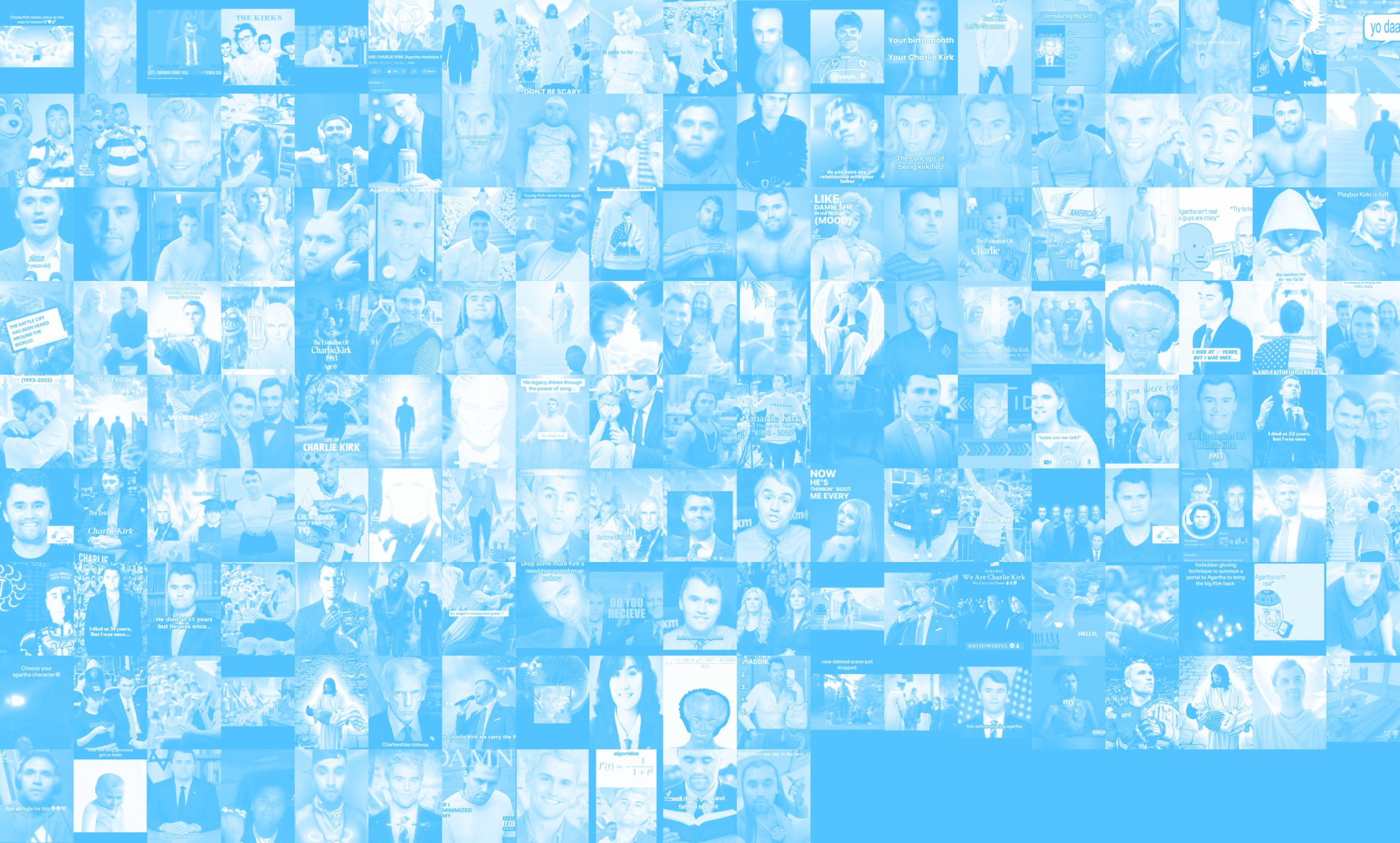
Bei der sechsten Tagung des Netzwerks Kritische Kommunikationswissenschaft (KriKoWi) unter dem Titel «Antifaschistische Medien- und Kommunikationswissenschaft» spricht Dr. Kathrin Trattner zu «The Kirkification of Everything – Charlie Kirks digitales Nachleben zwischen Märtyrertum und Memefizierung»: Am 10. September 2025 wurde der rechtsextreme Podcaster und Turning-Point-USA-Gründer Charlie Kirk bei einer Veranstaltung am Campus der Utah Valley University erschossen. Der überaus gut mit der Trump-Administration vernetzte Aktivist wurde binnen Stunden nach seinem Tod vonseiten des Weissen Hauses und der MAGA-Bewegung zum Märtyrer erklärt, der für seine Überzeugungen, seinen Glauben und sein Land gestorben sei. Von Beginn an kam in diesem Prozess der digitalen…
-
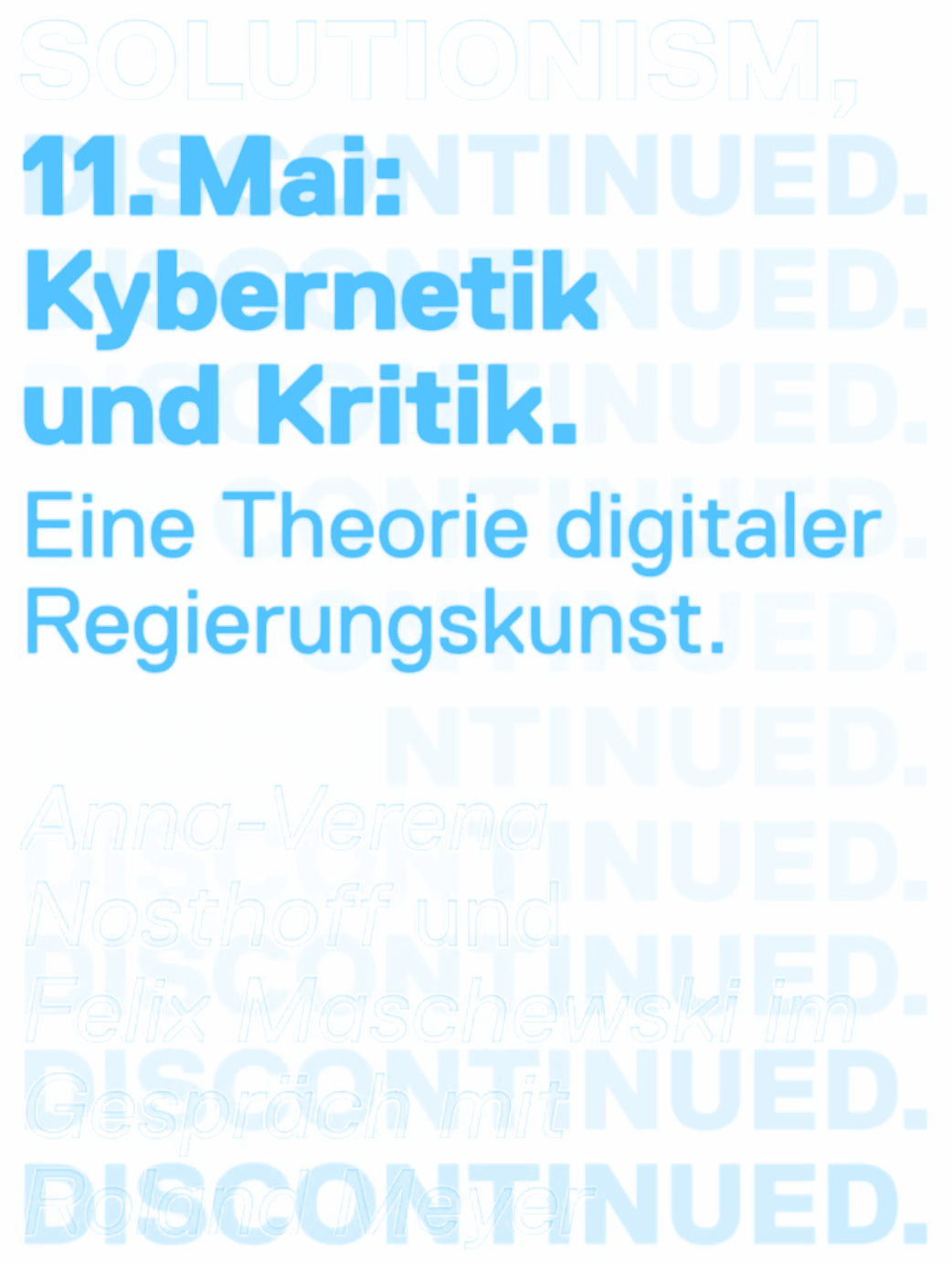
Im Rahmen der ZKK Talks 2026 kommen Anna-Verena Nosthoff und Felix Maschewski mit Roland Meyer ins Gespräch über das neu erschienene Buch «Kybernetik und Kritik. Eine Theorie digitaler Regierungskunst» von Anna-Verena Nosthoff. Darin zeichnet Anna-Verena Nosthoff ein umfassendes Panorama der Kybernetisierung der datafizierten Gegenwartsgesellschaft – von den ersten Prämissen der »Wissenschaft von Kommunikation und Kontrolle« über die Emergenz des Cyberspace bis hin zum aktuellen KI-Hype und zu technikautoritären Strömungen. Es zeigt sich: Die Kybernetisierung erfasst auch die Kritik – die sich daher neu erfinden muss, um zu überleben. Veranstaltungsort: Universität Zürich, Raum KUM E 1/2/3, Künstlergasse 15 a, 8001 Zürich…
-

Wichtig: Der Vortrag fällt aus Krankheitsgründen leider aus. Toni-Areal, Hörsaal 1, Ebene 3, Pfingstweidstrasse 96, Zürich ‹Digitalisierung› ist in aller Munde: Ihre mangelhafte Umsetzung wird ebenso angemahnt, wie vor ihren Folgen gewarnt wird. Das neue Buch von Daniel Martin Feige zeigt, dass die mit der Digitalisierung verbundenen Technologien weder neutrale noch unschuldige Mittel zu beliebigen Zwecken sind und soziale Medien keine Orte des Diskurses. Es weist nach, dass wir Begriffe wie Geist, Denken und Handeln KI-Systemen nicht sinnvoll zuschreiben können und entsprechende Diskurse einer Umarbeitung von Begriffen dienen, die wir eigentlich nur auf Menschen anwenden können. Daniel Martin Feige ist…
-
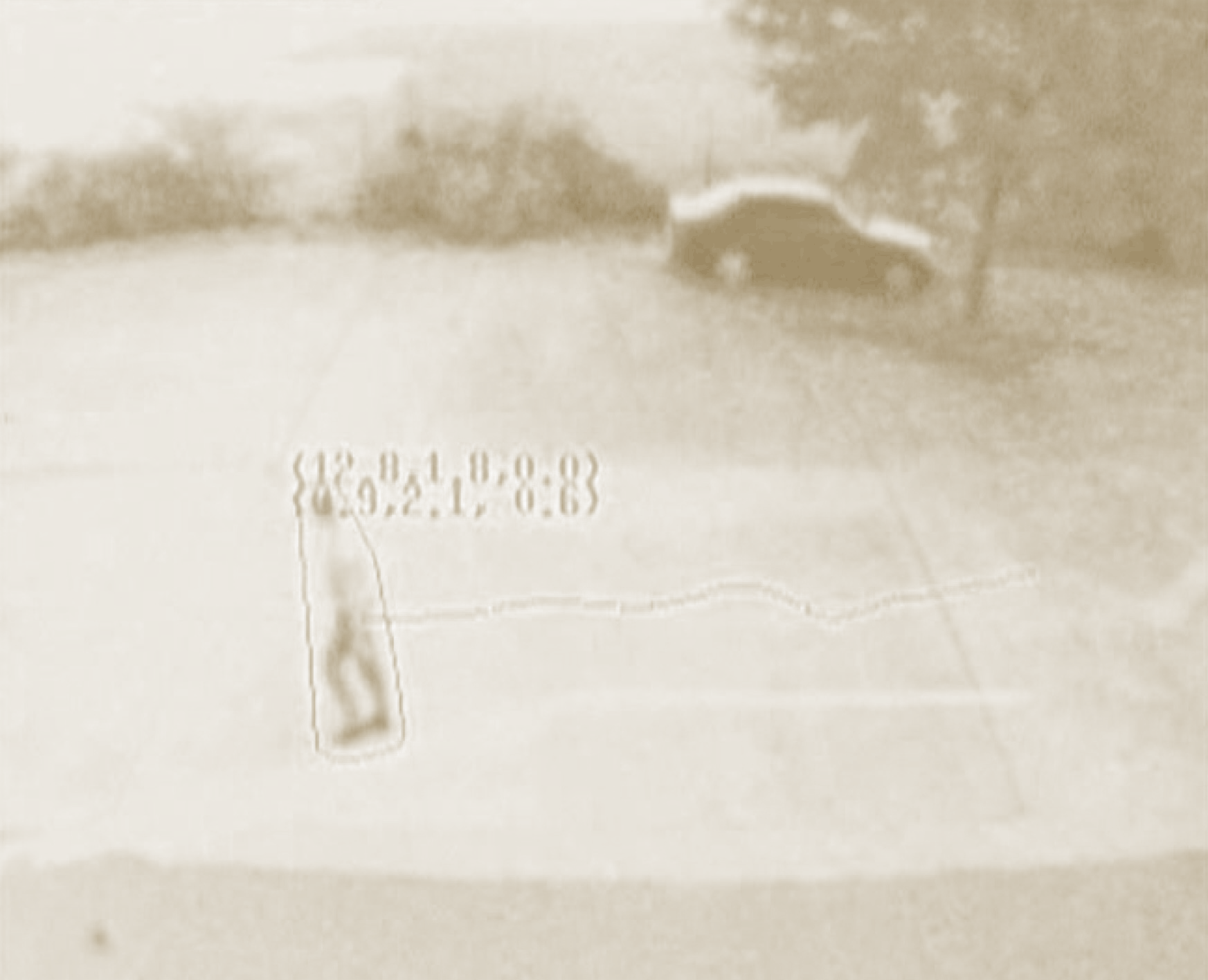
Angesichts der Flut KI-generierter Bilder und Videos in den sozialen Medien mehren sich die Warnungen vor Manipulation und Desinformation. Manche sehen mit dem sogenannten «AI Slop» gar das «Ende der Wahrheit» gekommen. Solche Warnungen sind dabei nicht neu. Bereits in den 1990er Jahren wurde angesichts von Photoshop, Digitalkameras und computeranimierten Sauriern in Hollywood-Blockbustern wortmächtig darüber diskutiert, ob den Bildern im anbrechenden «digitalen Zeitalter» noch zu trauen ist. Spätestens mit der Durchsetzung von Smartphones und sozialen Netzwerken hat sich allerdings gezeigt, dass digitale Bildmedien kaum weniger als analoge dazu genutzt werden, «reale» Ereignisse aufzuzeichnen. Noch nie wurde unser Alltag so umfassend…
-

Location: Senatssaal HU Berlin, Unter den Linden 6, 10117 Berlin. This roundtable invites a critical conversation about AI as a social and cultural phenomenon—one that cannot be separated from the economic, political, and ecological conditions that produced it. We will discuss how large language models, image generators, prediction tools, and algorithmic systems are not only changing how we work and communicate, but contributing to a slow degradation of literacy, public reasoning, and shared meaning. AI does not simply process culture—it shapes it, standardizes it, and feeds it back to us in increasingly uniform, predictable, and market-driven forms. Criticisms of AI…
-

Der neue Faschismus ist digital. Auf digitalen Plattformen verbreiten rechte Accounts massenhaft KI-generierte Propaganda, im Silicon Valley kursieren neoreaktionäre Ideologien, die demokratische Prozesse durch automatisierte Herrschaft ersetzen wollen, und KI-Konzerne greifen unverhohlen nach politischer Macht, um ihre Interessen weltweit durchzusetzen. Die neuen digitalen Technologien, das wird immer deutlicher, sind politisch keineswegs neutral. Ausgehend von dieser Diagnose fragt das Seminar nach den Zusammenhängen von faschistischer Ideologie und «Künstlicher Intelligenz». Was macht die KI-Ästhetik so attraktiv für die radikale Rechte? Welche Gesellschaftsbilder, welche Vorstellungen von Intelligenz, Kreativität und Freiheit stehen hinter digitalen Plattformen, selbstlernenden Algorithmen und KI-Modellen? Welche Weltbilder und Zukunftsvorstellungen treiben…
-

Vortrag von Dr. Kathrin Trattner im Rahmen der Tagung: «Aushandlungen medialer Familienleitbilder. Familie, Religion und Film», organisiert vom Lehrstuhl für Religionswissenschaft und Religionsgeschichte der Ludwig-Maximilians-Universität (LMU) München. «Der Wunsch der Millennials, als selbstbewusste Girlbosses die Karriereleiter zu erklimmen, scheint einer neuen Generation junger Frauen gewichen zu sein: Sogenannte Tradwives romantisieren auf Plattformen wie TikTok weibliche Hausarbeit und das „einfache Leben“ innerhalb traditionell patriarchaler Familienstrukturen. Der Vortrag widmet sich diesen Inszenierungen weiblicher Häuslichkeit auf Social Media und fragt dabei nach ästhetischen Mitteln, kommunikativen Strategien und zugrundeliegenden Vorstellungen von Geschlecht, insbesondere in Verflechtung mit race, class und Religion. Besonderes Augenmerk gilt dabei…
-
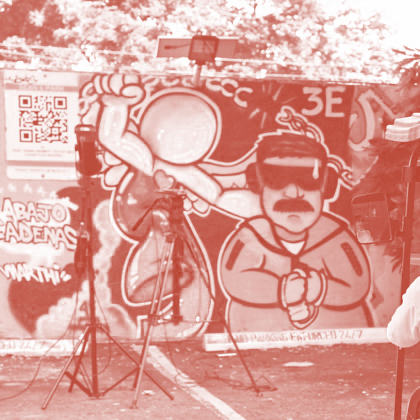
Im BR2 Kultur-Update berichtet Brückenprofessor Roland Meyer, was er der exzessiven Memeproduktion im Kontext der Entführung des venezolanischen Präsidenten entnimmt. Die Folge kann hier nachgehört werden.
-

In her book, Kathrin Trattner provides a systematic framework for a comparative and intersectional analysis of enemies in first-person military shooter games. Integrating theories and methods from game studies, cultural studies, and religious studies, the book introduces the concept of “ludic othering.” By applying the concept to a variety of military shooters produced during the heyday of the War on Terror, the book illustrates “ludic othering’s” analytical potential in answering a central question: What social and cultural ascriptions are at play in the portrayal of enemies? More Information
-
Im Gespräch mit Johannes und Maria vom Newsletter «Wie Rechte reden» analysiert Roland Meyer, warum KI-Bildgeneratoren keineswegs neutrale Werkzeuge sind, sondern bestehende Klischees, nostalgische Bildwelten und ideologische Muster verstärken – und damit zu faschistischen Wunschmaschinen werden. Das volle Gespräch kann hier gelesen und gehört werden.
-
New paper by Dr. Kathrin Trattner now out in eludamos. The paper investigates how players engage with and reflect on the construction of the nation and its place in history in the turn-based strategy game series Civilization (1991–2025). The Civilization series has been studied extensively concerning portrayals of history and nationhood within the games, mainly through their rule systems. This study’s purpose is to add a player-centered perspective to this body of scholarship and thereby critically challenge assumptions about players’ reception of the games’ portrayals of the nation throughout history. For this purpose, a structuring qualitative content analysis was conducted to analyze player discussions…
-
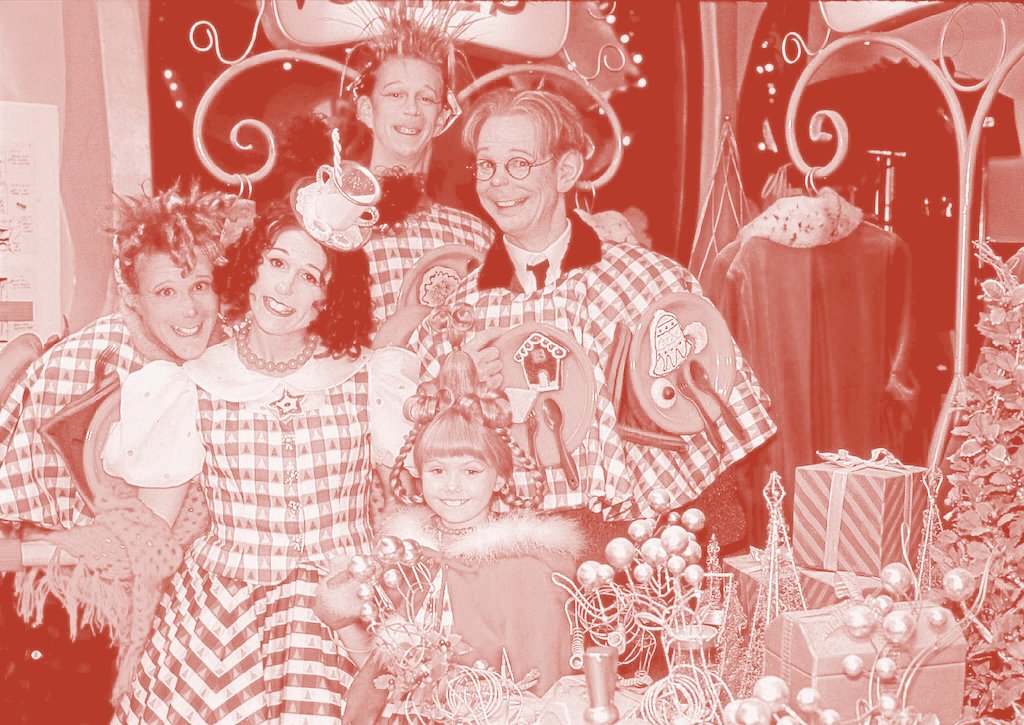
In seinem Artikel im nd widmet sich Roland Meyer dem Phänomen der «Slopaganda» als Ästhetik der Trump-Ära und als Produkt des Plattformkapitalismus. Dabei wirft er auch die Frage auf, ob der Kitsch-Vorwurf gegenüber KI-generierten Bildern nicht selbst problematisch ist, da er veraltete und elitäre Formen der sozialen Distinktion markiert. Den Artikel hier lesen.
-
Location: Museum für Gestaltung, Ausstellungsstrasse 60, 8005 Zürich Artificial intelligence and digital technologies are changing how we see, experience – and understand things in museums. Moderated by Sophie Grossmann, co-curator of the exhibition Museum of the Future – 17 digitale Experimente, the conversation explores the question of what these technological developments mean for museums, collections and our cultural memory. We look forward to an inspiring exchange about new ways of dealing with digital images, virtual collection objects and imparting knowledge in the museum of the future. Following the discussion, the panel participants will personally guide you through the exhibition and provide…
-

For the university magazine Zett of the Zurich University of the Arts, Roland Meyer contributed a short essay on synthetic archives. As generative artificial intelligence (AI) is fundamentally reliant on the past. It is crucial to question its relationship with historical images and data—with a special focus on the blind spots. Read the essay here.
-
Im Interview mit Felix Schmale für den Newsletter «Bilderuniversium» spricht Roland Meyer darüber, wie KI-Bilder unsere Vorstellung von Wahrheit, Zeit und Bildkultur beeinflussen. Im Zentrum des Newsletters «Bilderuniversium» steht die Auseinandersetzung mit der Frage, wie visuelle Medien historische, kulturelle, soziale und ökonomische Strukturen beeinflussen, reflektieren oder transformieren. Hier kann der Newsletter nachgelesen werden.
-
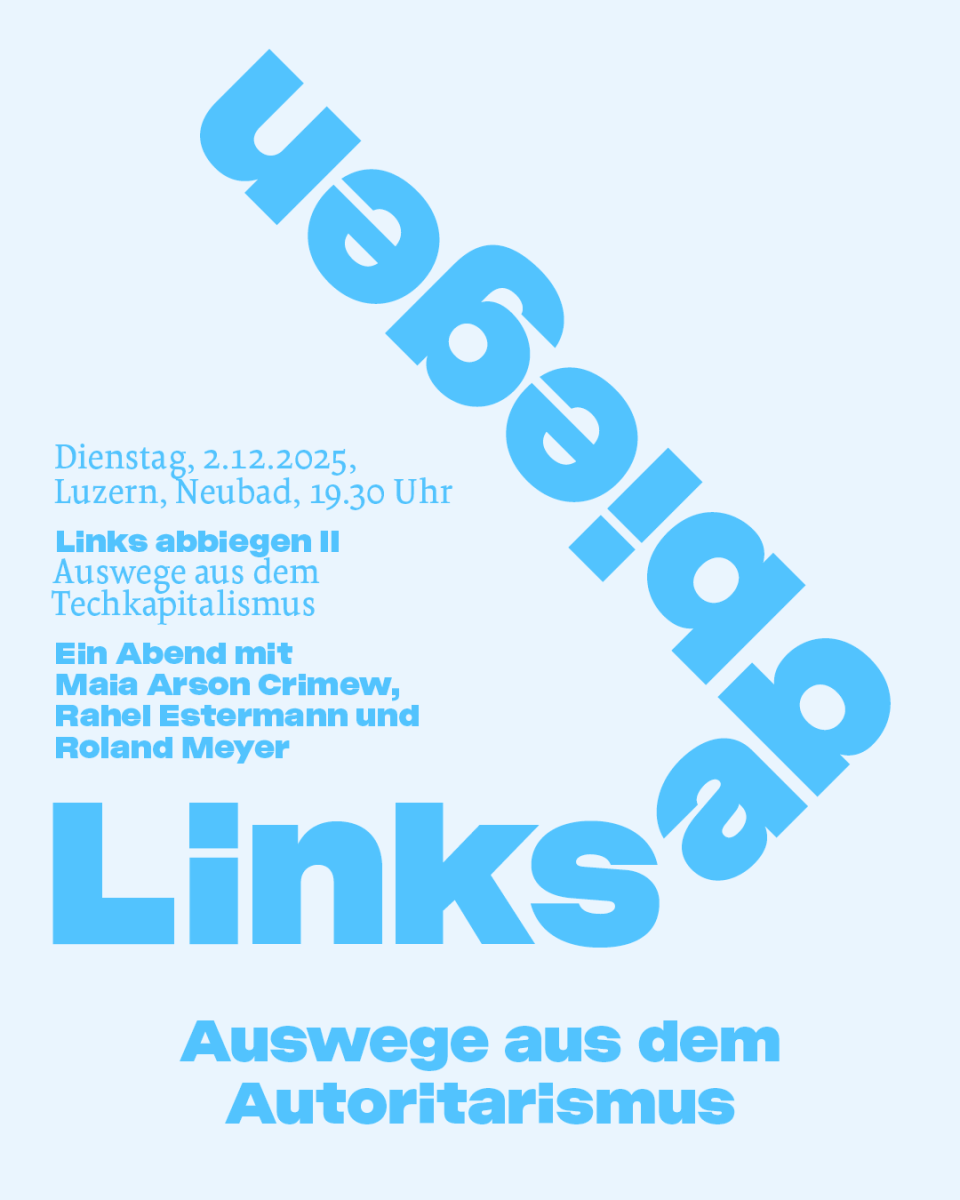
Veranstaltungsort: Neubad Luzern, Bireggstrasse 36, 6003 Luzern Wenn etwas wirklich neu ist an den autoritären Entwicklungen, dann sind es die digitale Propaganda und ihre Förderung durch die Techkonzerne aus dem Silicon Valley. Maia Arson Crimew, anarchistische Hackerin, Rahel Estermann, grüne Digitalpolitikerin, und Medienwissenschafter Roland Meyer («Bilder unter Verdacht») diskutieren darüber, wie die Macht der Techkonzerne die Wahrnehmung verändert – und wie wir sie im Alltag brechen können. Moderation: Raphael Albisser, WOZ Mehr Informationen
-

AI image generators such as Midjourney, Dall-E or Stable Diffusion are able to perfectly simulate the appearance of photographic images, but they are no longer part of the history of optical media. Unlike photography, AI does not capture light to record images of the world, not even a simulated one, but analyses recurring patterns in vast amounts of visual data to synthesize images from images. The “photographic” in turn becomes a mere style, an esthetic surface quality that can be extracted, interpolated, and transferred from one digital image file to another. The essay asks what this reconfiguration of the “photographic”…
-
Veranstaltungsort: Hörsaal KOL-H-312, Rämistrasse 71, 8001 Zürich Im Rahmen der Ringvorlesung «Kulturanalyse jetzt!» wird Kathrin Trattner am 27. November 2025 von 18:15 bis 20:00 zu Rechtsextremismus und Gaming vortragen. «Kulturanalyse jetzt!» Was ist jetzt? Wie ist es dazu gekommen? Und was ist im Kommen? Diese Fragen stehen im Zentrum der Ringvorlesung «Kulturanalyse jetzt!». Die Beiträge in Form von Vorträgen und Gesprächen mit Gästen fokussieren auf die Jetztzeit, praktizieren, was Hegel als «die Zeit in Gedanken erfasst» bezeichnet hat. Es geht um die Fragen, welche die Gegenwart aufwirft, die Probleme, mit denen sie uns konfrontiert. In den Beiträgen werden die Ereignisse…
-
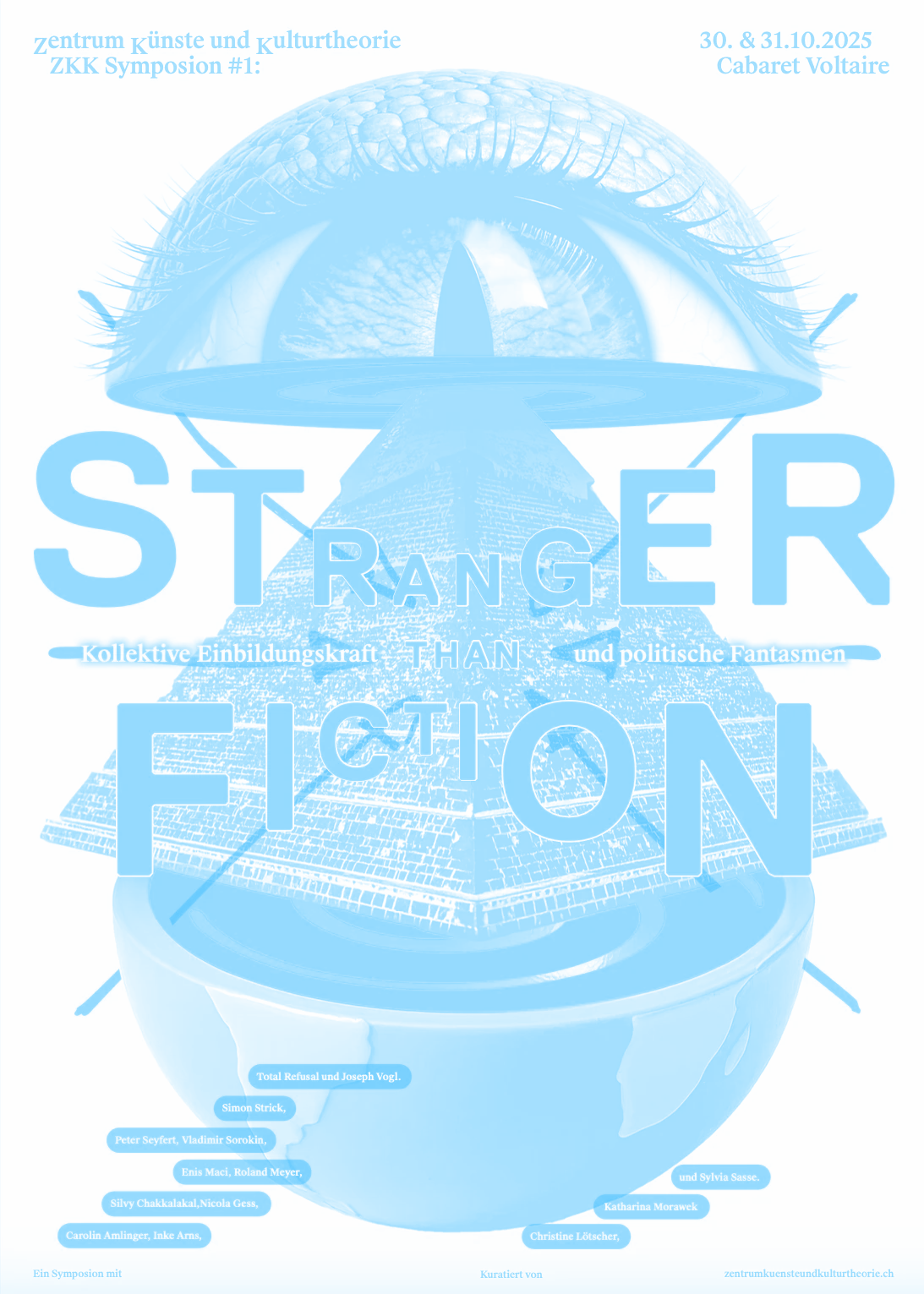
In den gegenwärtigen Culture Wars wird nicht nur um Argumente gerungen, sondern auch um die politische Einbildungskraft. Es kursieren fantastische Erzählungen im Alltag – Deep State, Kathedrale, Chemtrails, Reptiloide, Wettermaschinen, hohle Erde –, die sich auf den ersten Blick kaum von literarischer Science-Fiction und Fantasy unterscheiden und dennoch einen Anspruch auf Wahrheit und Realismus erheben. In der Regel werden solche Erzählungen zu Verschwörungsnarrativen gezählt. Seltener wird jedoch gefragt, was diese Alltagsfantastik über das politische und soziale Imaginäre preisgibt und welche kulturellen und religiösen Ansprüche und Ängste auf diese Weise fortgeschrieben werden. Was sagen die kursierenden Trugbilder und Hirngespinste über politische…
-
In seinem Text im neu erschienenen Band «Generativität» der Reihe Begriffe des digitalen Bildes befasst sich Prof. Dr. Roland Meyer mit der Ästhetik KI-generierter Bilder und verortet sie über das Konzept des «Plattformrealismus» in einer breiteren Geschichte generischer Bildlichkeit und den infrastrukturellen Bedingungen des gegenwärtigen Plattformkapitalismus. Hier im Open Access lesen. Bibliographische Angabe: Meyer, Roland (2025): Plattformrealismus. Eine Ästhetik des Generischen. In: Bruhn, Matthias und Weinstock, Katharina (Hrsg.): Generativität. Begriffe des digitalen Bildes, Bd. 6. München ; Wien: Open Publishing LMU ; Buchschmiede. S. 51-62.
-
In seinem Text im neu erschienenen Band «Ähnlichkeit» der Reihe Begriffe des digitalen Bildes zeichnet Prof. Dr. Roland Meyer von Lavaters Physiognomik und Galtons Kompositporträts bis zu heutigen Systemen der algorithmischen Mustererkennung eine «Genealogie der Operationalisierung der Ähnlichkeit» nach. Hier im Open Access lesen. Bibliographische Angabe: Meyer, Roland (2025): Nachbarn und Verwandte. Zur Operationalisierung der Ähnlichkeit. In: Kohle, Hubertus und Schneider, Stefanie (Hrsg.): Ähnlichkeit. Begriffe des digitalen Bildes, Bd. 7. München ; Wien: Open Publishing LMU ; Buchschmiede. S. 15-32
-

Contemporary networked image cultures cannot be understood outside of platform capitalism. Today, the production, distribution and reception of networked visual media is largely facilitated, managed and controlled by the algorithmic infrastructures, corporate policies and business models of digital platforms. And at the heart of platform architectures is the quantification, evaluation and monetization of reactions – whatever we encounter online is designed to trigger our reactions, and our reaction patterns in turn drive the visual economies of platform capitalism. […]
-

As part of the lecture series «Gemeinsinn. Zur Zukunft der Kunsthochschule», two professors or lecturers from different departments jointly give a lecture: What makes the arts, design, their theories, and their teaching special? And what answers do they have to the pressing questions of our time? 24.09. | 06-07:30 pm | Roland Meyer & Judith Siegmund: «Vom Sensus Communis zu Social Media» | Toni-Areal, Hörsaal 1, Ebene 3, Pfingstweidstrasse 96, Zürich More information about the series can be found here.
-

Der Historiker Felix K. Maier nutzt eine selbst entwickelte KI, um sich ein lebendiges Bild vom alten Rom zu machen. Der Kulturwissenschaftler Roland Meyer analysiert, wie mit KI-Bildgeneratoren online alternative Geschichtsbilder produziert werden und weshalb diese bei der politischen Rechten besonders Anklang finden. Im Talk im Turm diskutieren Felix Maier und Roland Meyer mit den beiden Moderator:innen Rita Ziegler und Thomas Gull wie KI unseren Blick auf die Geschichte verändert und welche Chancen und Risiken damit verbunden sind. Der Talk kann auf der Website der DIZH nachgelesen und –gehört werden.
-
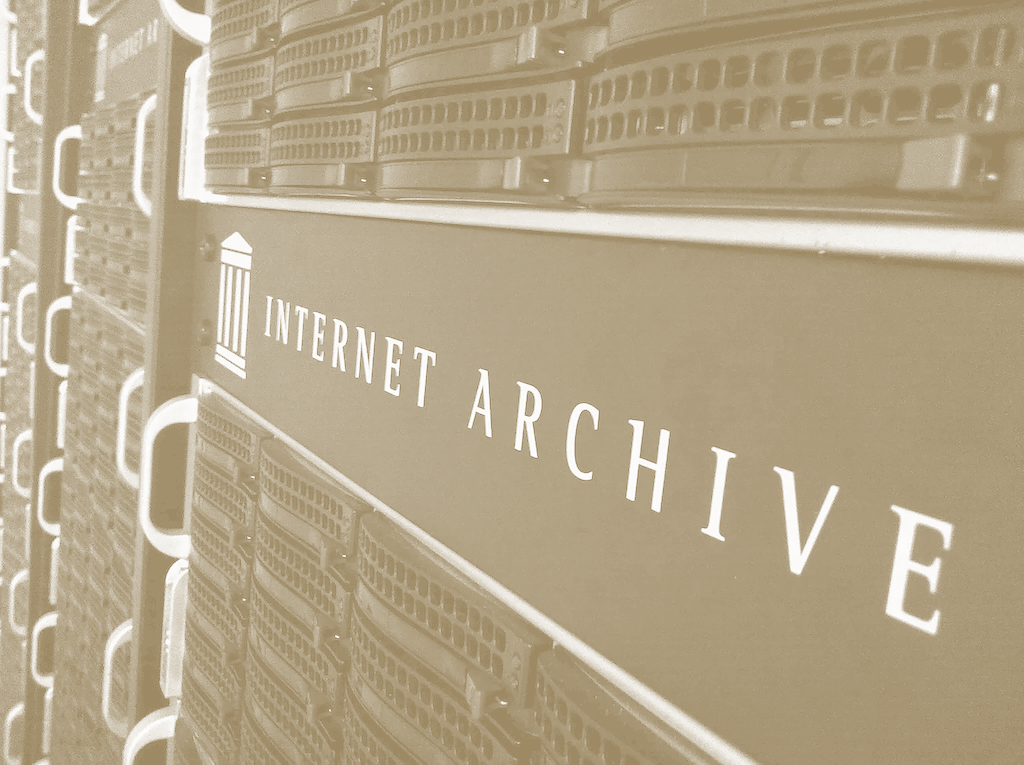
Historische Archive waren schon immer umkämpfte Orte. Welche Spuren der Geschichte institutionell bewahrt werden und wessen Erinnerungen Eingang in das kollektive Gedächtnis finden, das waren und sind hochpolitische Fragen. In diesem Sinne war die Digitalisierung von Archivbeständen, wie sie seit den 1990er Jahren in grossem Massstab vorangetrieben wurde, nicht allein mit dem Versprechen eines niedrigschwelligen Zugangs verbunden, sondern sollte auch neue Formen der demokratischen Teilhabe und Partizipation ermöglichen. Gegenwärtig stehen jedoch gerade digitale Archive vor zuvor unbekannten Herausforderungen. Zum einen sind sie, wie derzeit in den USA zu beobachten, staatlichen Zensur- und Säuberungsmassnahmen oft schutzlos ausgesetzt. Zum anderen rücken sie…
-

Für den digitalen Guide der Ausstellung «Museum of the Future – 17 digitale Experimente» des Museums für Gestaltung in Zürich hat Prof. Dr. Roland Meyer einen Beitrag zur Bedeutung von sogenannter «Künstlicher Intelligenz» (KI) im Museumskontext eingesprochen, bei dem er hervorhebt dass KI als Zukunftstechnologie vermarktet wird, doch zunächst eine neue Art des Zugriffs auf Vergangenes darstellt. Die Ausstellung des Museums für Gestaltung erforscht, wie Digitalisierung und Künstliche Intelligenz das Erlebnis von Objekten im Museum der Zukunft erweitern können. Welche Möglichkeiten bieten digitale Technologien, um Objekte erlebbar zu machen? Hier in Gänze hören.
-

In recent decades, museums, archives and other GLAM institutions have produced vast amounts of data: Virtual collections of data objects that remain largely invisible in their digital materiality, only becoming visible, accessible and usable through visual interfaces. How virtual collections can be maintained and developed, how they can be used for research and scholarship, and how they can be presented to a wider audience are all questions of design. The workshop will take place on July 7 and 8, 2025, in the CRC 1567 Collaboration Space. With Amandine Colson, Klaus Eickel, Nicola Lercari, Dominik Schrey, Bernhard Schurian, Roberta Flora Spano…
-

In this new article on the website of University of Zurich, Roger Nickl portraits Prof. Dr. Roland Meyer and the central research questions of the DIZH Bridge Professorship Digital Cultures and Arts. Excerpt: From a US president styling himself as a king, church leader or ripped football player in online posts, to a tech billionaire depicting himself as a Roman gladiator in a meme published on social media platform X late last year. The world of digital images sometimes comes out with strange things. This is now possible thanks to AI image generators such as Midjourney and Dall-E. “They’re a…
-
Artificial intelligence technologies are currently transforming the field of visual culture. AI video generators, trained on vast amounts of existing image data and capable of translating linguistic descriptions or prompts into hyper-realistic synthetic image sequences, are turning the archive of images from the past into a source of latent, previously unseen images. Hardly anyone has worked as intensively on this subject in recent years as the film and media scholar Antonio Somaini. Together with Somaini, the doctoral students will discuss the influence of ‹algorithmic vision› on the visual dispositives of the present – and how its history can be written.…
-

A theory of images and visual culture, today, needs a theory of latent spaces. In a historical phase in which images are more and more generated, modified, circulated, seen and described by or with the help of different kinds of AI models, we need to understand the crucial role played by an abstract, mathematical construct whose cultural and political implications could hardly be overestimated. Latent spaces play also a central role in the contemporary artistic practices that engage with AI: whether to critically respond to its increasing presence in every aspect of culture, society, politics and economics, or to use…
-
The mass digitization of museum collections has created global spaces of image aggregation: transformed into weightless data floating in virtual space, musealized artifacts can now be arranged into navigable landscapes intended to make visible latent relationships of statistical similarity; and thanks to generative AI, datasets of archival images have become a valuable resource for generating new, synthetic images. The paper explores the implications of this operationalization of virtual image archives and asks for possible alternatives. Read paper
-
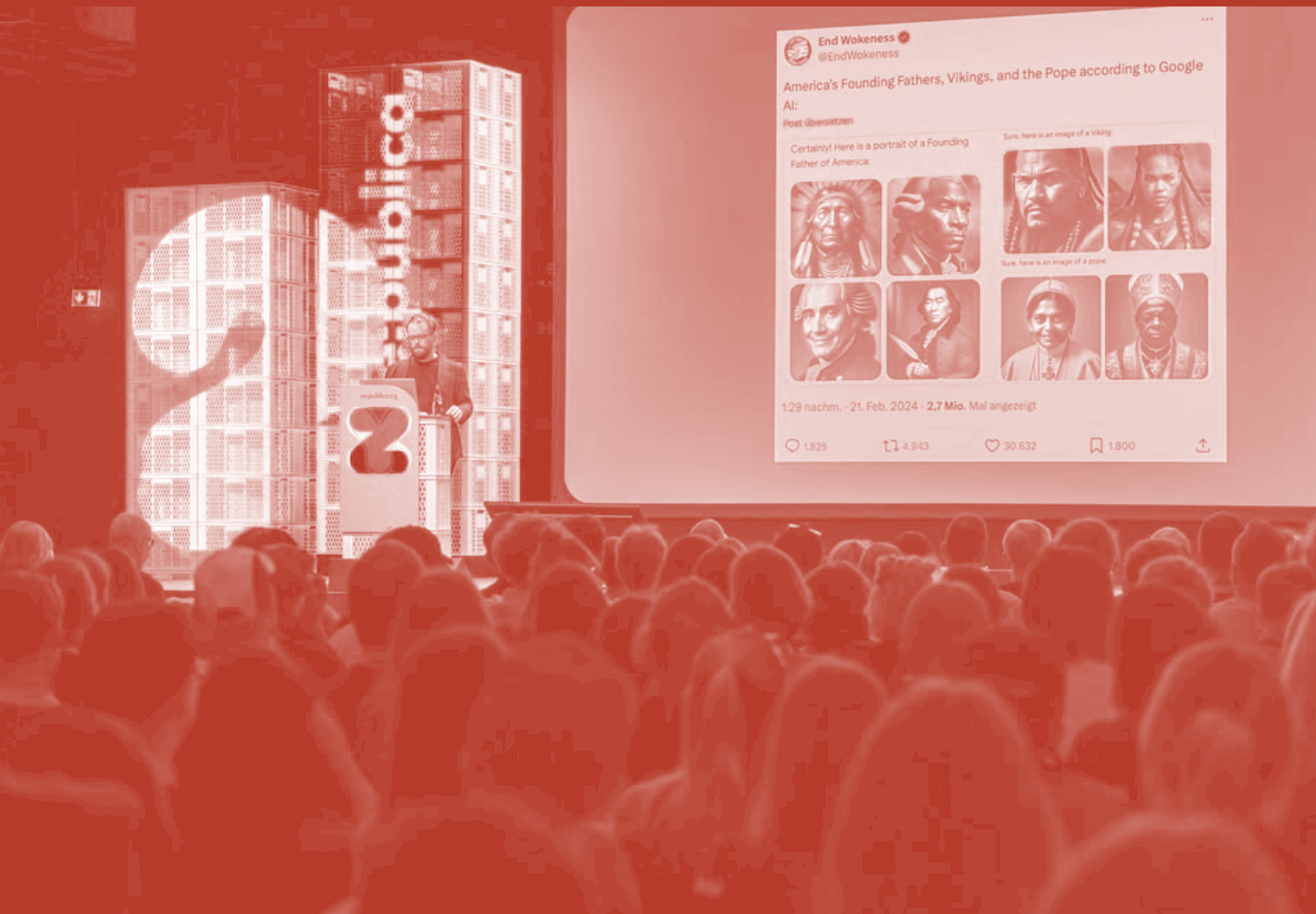
Digital fascism loves generative AI: Trump and Musk share masses of AI-generated images and videos on their platforms, and the AfD has also long recognised the benefits of Midjourney & Co. for election campaigns. This is no coincidence, as the technology is not a politically neutral tool. Generative AI is based on the mass appropriation and devaluation of creative labour, it reproduces and reinforces racist and sexist stereotypes, and it is structurally nostalgic. This is because it relies on images of the past to generate an image of the present or even the future. This makes it compatible with a…
-
The interface of generative AI presents a passive mode of media production, modelled after the submission of a ticket to a tech stack, or a request for a chatbot helpdesk. What other modes of interaction might artists engage with to get at these tools beyond the keyboard? In a presentation of selected works, the artist, theorist and AI researcher Eryk Salvaggio explores positions, gestures and attitudes toward AI that reflect its brittle comprehension of creative logic and the world at large. This talk will present works and propose novel workflows that challenge ideas of «generativity» by moving it from the visual senses…
-
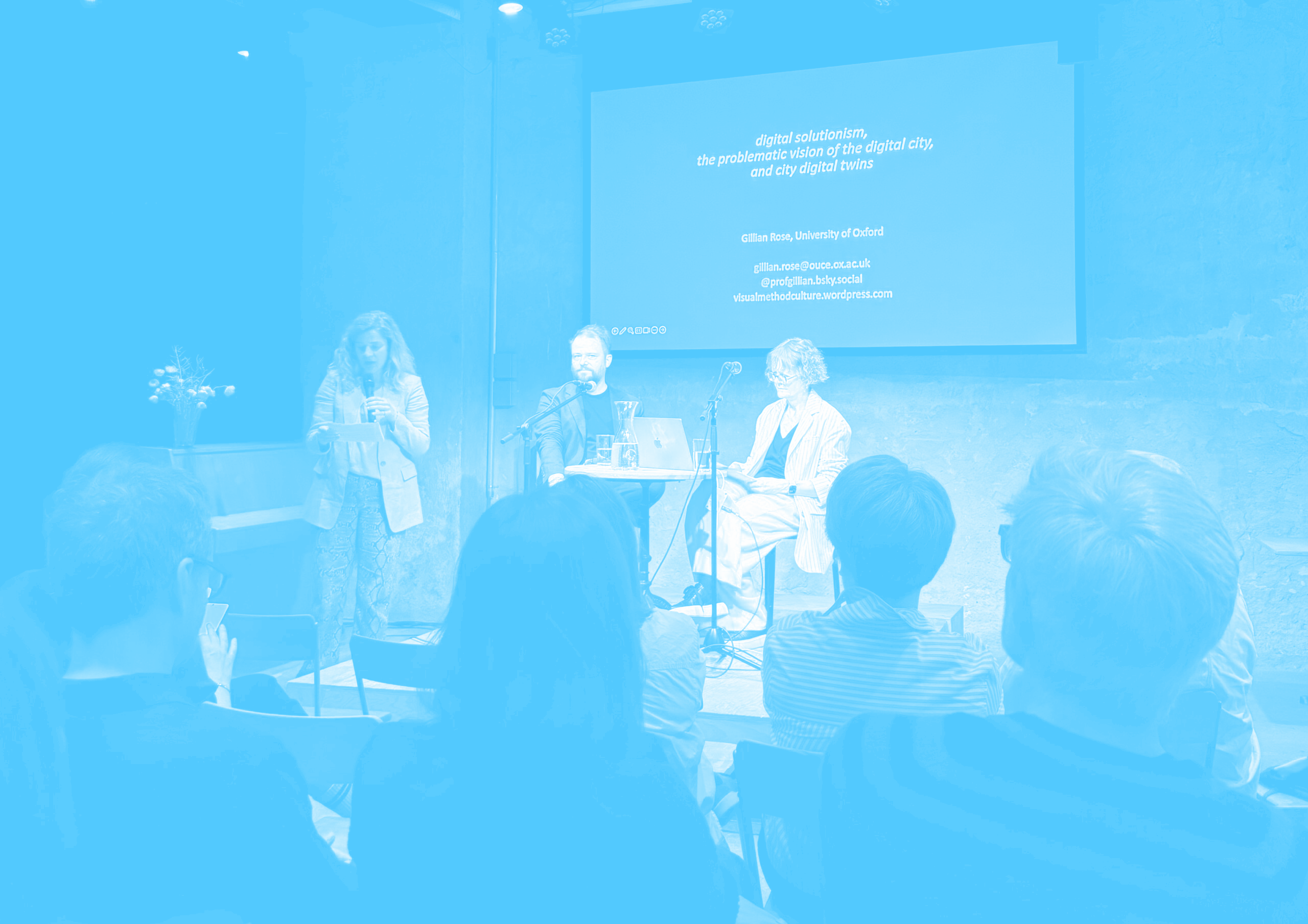
As tech companies strive for political dominance and the widespread use of AI advances in more and more institutions and areas of public life, a critical intersectional perspective on the questionable promises of “digital solutionism” is becoming increasingly important. One of those areas is the management of life in cities. The city of Zurich, in particular, has developed into a global center of the digital platform economy in recent years. But how do the technology-driven solutions offered by major tech companies relate to the conflictual democratic debate about a livable future for our cities? And more broadly, what sorts of…
-
Generative AI is often considered a technology of the future, but it is also changing our view of the past. Our digitized cultural memory, made available online, is becoming a resource of patterns that can be aggregated, discriminated, and synthesized into new patterns on a massive scale. The search for patterns in large amounts of data in turn has a history of its own, which is not least a history of the mass availability and circulation of images. Along a visual history of pattern recognition, the lecture outlines a genealogy of the digital present that focuses on the aesthetic and…
-

New article by Roland Meyer in the FAZ (in German): «Unsere Zukunft ist sicher, nur die Vergangenheit ist unvorhersehbar, so lautete ein russischer Witz zu Sowjetzeiten. Wie rasch die Vergangenheit unvorhersehbar wird, lässt sich derzeit in den USA beobachten. Der autoritäre Staatsumbau, den die Trump-Regierung im Schnelldurchlauf vorantreibt, hat nämlich auch den Umgang mit der historischen Überlieferung erreicht. Anfang März wurde bekannt, dass das Pentagon rund 26.000 Fotos auf den Websites des US-Militärs zur Löschung markiert hat. Darunter finden sich historische Aufnahmen schwarzer Soldaten im Zweiten Weltkrieg ebenso wie Porträts von Christina Fuentes Montenegro, die 2013 als eine der ersten Frauen erfolgreich…
-
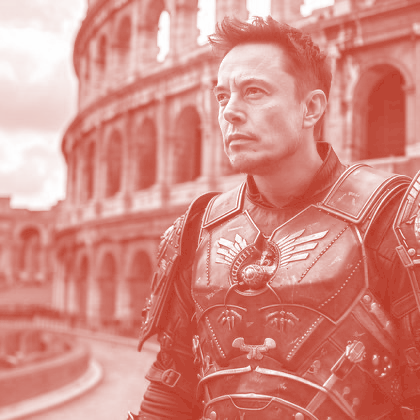
Trump als Linebacker, Elon Musk als römischer Gladiator: Wer heute noch auf X unterwegs ist, dem oder der begegnen solche Bilder immer wieder. Im Trump-Lager liebt man Bild-KIs und die satten, hyperrealistischen Heldenbilder, die sie entwerfen. Und nicht nur die Rechtslibertären in den USA, auch die extreme Rechte in Deutschland hat einen Narren gefressen an KI-Bildgeneratoren. Kein Wunder, sagt der Kulturwissenschaftler Roland Meyer. Seiner Meinung nach gibt es eine «ideologische und ästhetische Affinität» zwischen der politischen Rechten und generativer KI. Warum, erklärt er im Sozusagen-Interview:
-

With each update, AI image-synthesis models such as DALL-E and Midjourney promise more «realistic» representations. However, as the essay shows, the supposed «reality» they represent is not only heavily biased toward white, Western, male, middle-class aesthetic values and ideological preferences but is also inherently generic. AI images are derived from billions of past images, filtered through verbal concepts, adapted to corporate standards, and optimized for consumer expectations. The effect might be called «platform realism»: a second-order aesthetic of generic images. The essay develops this concept of «platform realism», situating AI image synthesis’s aesthetics within a broader history of generic visual…
-
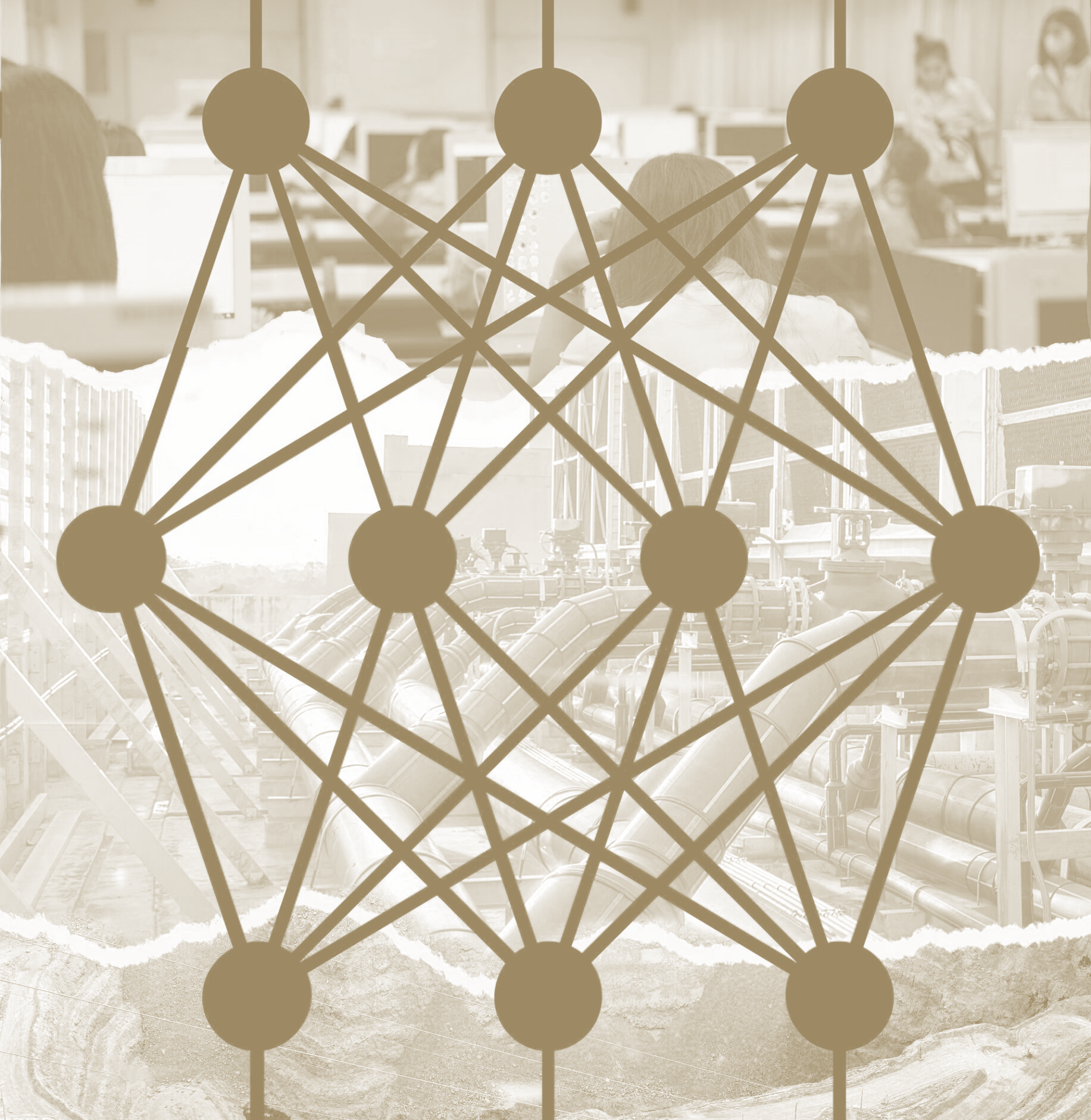
Digital media and infrastructures shape our everyday lives. We use apps and platforms every day, interact with screens, interfaces and digital agents, navigate through databases and virtual game worlds. The fact that we can access almost any amount of digital content anywhere and at any time seems just as natural to us as the fact that almost every movement we make leaves behind digital traces that can be tracked and algorithmically analyzed. However, it is precisely the everyday and seemingly self-evident that requires description and analysis. We want to tackle this task in the seminar by taking a critical look…
-

We live in an age of rampant conspiracy theories, AI deepfakes and widespread online propaganda, a so-called ‹post-truth world› in which the boundaries between information and disinformation, fact and fiction seem increasingly difficult to draw. All the more reason why the demand for authenticity and reliable facts has never seemed more urgent, not only in journalism and science, but also in the arts, which have traditionally been seen as the domain of fiction and fantasy. Over the last two decades, methods of collecting, verifying, documenting and investigating evidence have become central in contemporary artistic practice, leading to a boom in…
-
AI sometimes fails at seemingly simple tasks that require little more than common sense to solve. Yet, automating common sense, an amorphous body of intuitive reasoning, turns out to be extremely difficult, that it has been called the «dark matter of AI». In this talk, Hito Steyerl will focus on the relationship between AI, Art and Common Sense. Prof. Dr. Hito Steyerl (*1966 in Munich) is an artist, filmmaker and author. She heads the «Current Digital Media» class at the Academy of Fine Arts, Munich. The event is a cooperation between the Department of Fine Arts at ZHdK, Zentrum Künste…
-

In 1945, Vannevar Bush published his landmark essay AS WE MAY THINK. In the age of computing, he argued, traditional forms of organizing, addressing, and processing information by «indexing» will be replaced by a much more flexible and associative machine-driven method he called memex. «Wholly new forms of encyclopedias will appear, ready-made with a mesh of associative trails running through them, ready to be dropped into the memex and there amplified.» In 1986, Harun Farocki finished his film AS YOU SEE, a mesh of associative trails in which the Jacquard loom, the invention of the machine gun, and manifold alternative…
-

AI-generated images have now become part of our everyday visual culture. They are shared millions of times a day on social networks and we encounter them on magazine covers, in galleries and on advertising posters. However, generative AI has been highly controversial from the outset. While some rave about unprecedented artistic possibilities, others warn of the mass appropriation, exploitation and devaluation of creative work by the big tech companies. And now that the initial hype surrounding Dall-E, Midjourney & Co. seems to be fading, the problematic aspects of technology are increasingly coming into focus: its massive consumption of resources and…
-
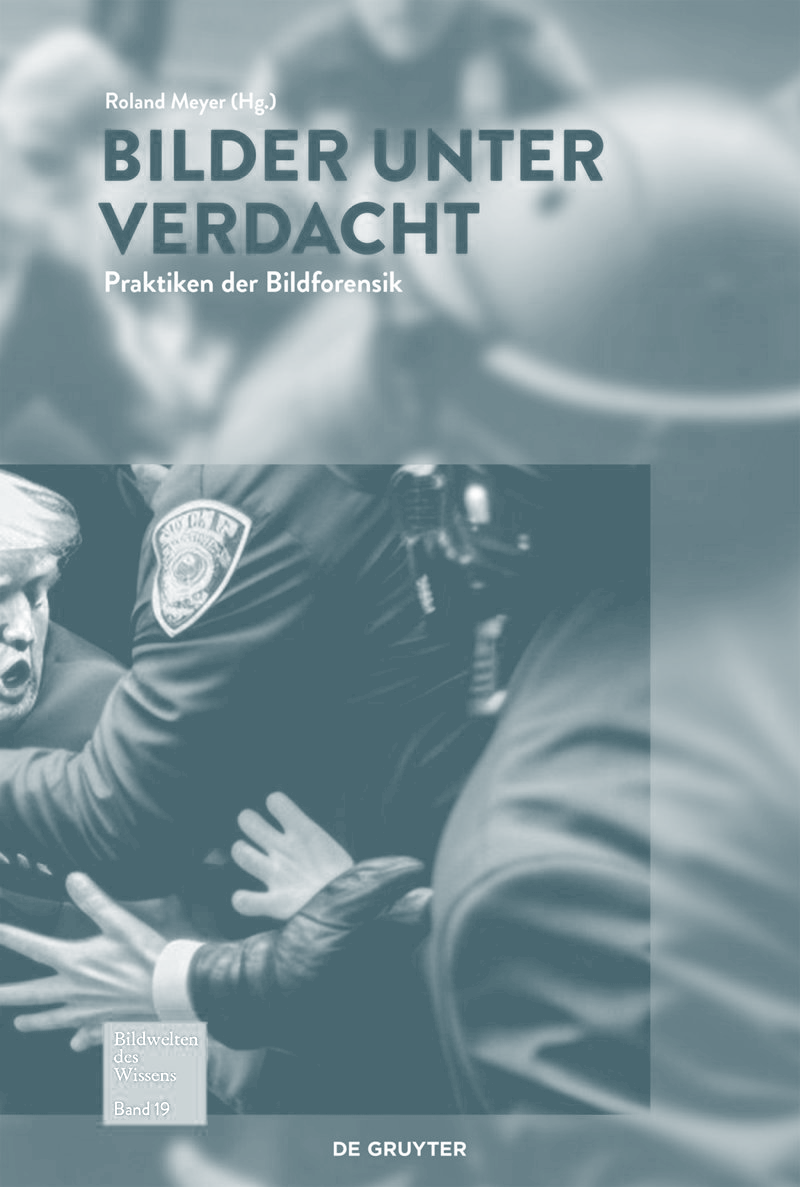
Digital images have been under suspicion of manipulation not just since the discussions about «deepfakes» and generative AI. While in the 1990s any digital image evidence seemed questionable, pragmatic answers have since prevailed. Whether and how digital images have actually been manipulated can in many cases be proven by using methods of image analysis and comparative data evaluation. Such practices of image forensics are the focus of this volume. A look at scientific as well as aesthetic procedures, at criminalistic methods, popular television series and artistic practices shows how suspicion towards images itself becomes productive: It not only produces new…